

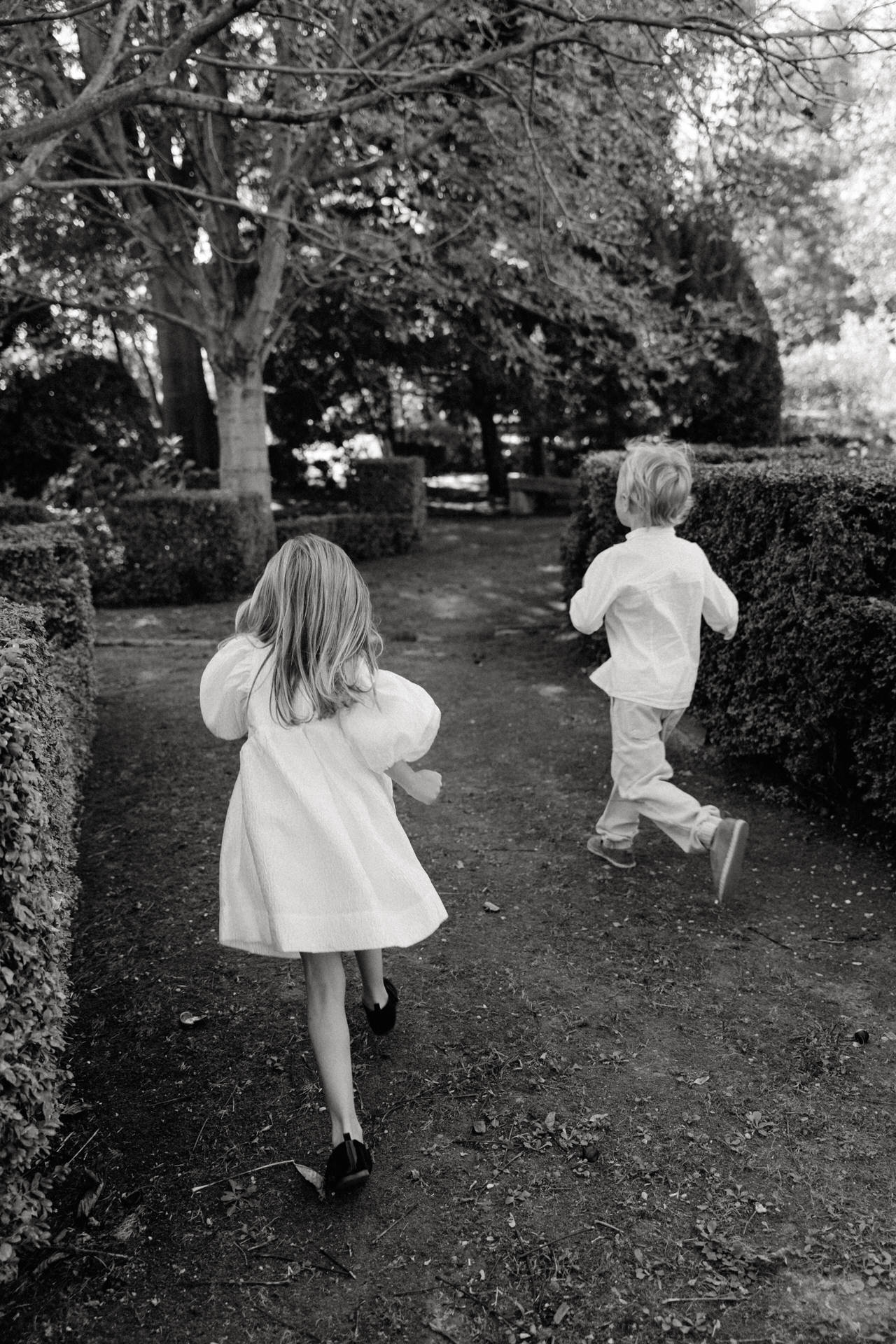
Have you ever heard about the “photo-taking impairment effect” ?
It refers to the fact that our brain remembers an experience less accurately when we take photos of it, because we outsource the act of remembering to the camera.
It has been thoroughly studied and is a very interesting phenomenon.
Obviously, it is a subject that I relate to a lot, and I was curious to understand how it works.
So basically, when we take a photo, we subconsciously think: “I’ll be able to remember this later.” As a result, we pay less attention, the memory is less deeply encoded, and the recollection becomes blurrier or incomplete.


I then wondered how it affected my work and the experience of my clients. And I suspected it, it has a clear impact on the way you remember your wedding.
Viewing photos too soon after an event can interfere with memory consolidation.
After an experience, the brain needs time to organize, sort, and stabilize the memory (memory consolidation).
When photos are viewed immediately:
• the image can partially replace the internal memory,
• memory becomes more visual and external,
• sensory and emotional details (sounds, smells, bodily sensations) may fade. The brain starts using the photo as the primary reference.
So, basically, viewing images too soon after an event can short-circuit lived memory, replacing internal experience with its visual representation
For me, this is a problem. Because my photos are not here to create memories, they exist to make you travel back to your own souvenirs. They are supposed to be the trigger of your own version of the event, not take over it.
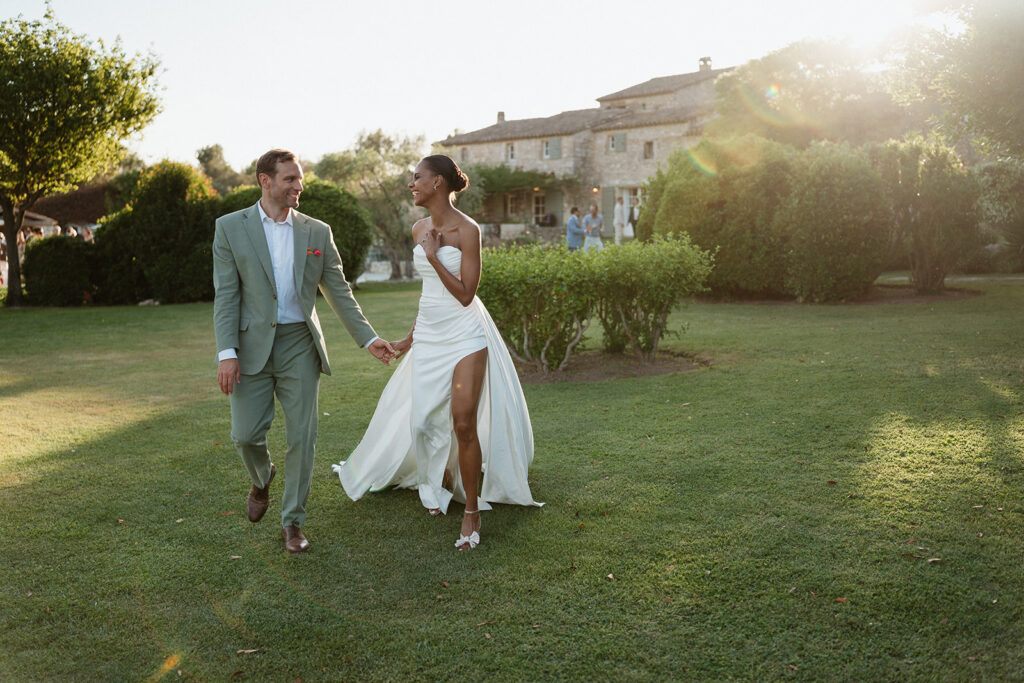
Another interesting fact I was curious about is the impact of paper versus screen. And not surprisingly, it also has an effect.
There is scientific research suggesting that physical media (printed photographs) affect perception, emotion, and sometimes memory differently from screens, even though this field is still developing.
Memory: real objects vs images on screens
Studies in psychology show that real, tangible objects are often better remembered than 2D representations (such as photos on a screen).
Implication: When an image takes on a physical form, it may engage cognitive processes closer to lived experience.
Paper vs screen: attention and encoding
Research comparing reading and information processing shows that:
• Paper engages tactile and spatial interaction, supporting deeper encoding.
• Screens (scrolling, instability, distractions) can reduce spatial and embodied memory.
Applied to photography, printed images tend to invite slower, more focused attention.
The role of touch and multisensory experience
Multisensory interaction, seeing and touching, enhances subjective experience:
• Touch anchors perception in the body.
• Haptic engagement activates perceptual processes absent from flat screens.
In photography, a printed image becomes a sensory object, not just a visual one.
Emotional impact and engagement
Although there are few studies directly comparing printed vs digital photos of personal memories:
• Paper is consistently associated with deeper engagement and emotional resonance.
• Physical photographs often generate a stronger sense of personal attachment.

In conclusion
Direct studies on printed vs digital personal photos are limited. However, existing research on paper cognition, object memory, and multisensory perception strongly suggests that printed images can create deeper cognitive and emotional effects than screens.
This is why I am changing my way of delivering your images, and why it so important to me. Your photos are just a passage, a path back to your own memories. They are a way to revive them and experience the day over and over again.
In a time where everything gets delivered instantly on your screen, we are missing the point, and it is important to go back to the reason why we do our job.
So, this year, I will change your experience of discovering your wedding photos.
But to discover it, you will have to wait a little bit… Or book me !

